Krakow
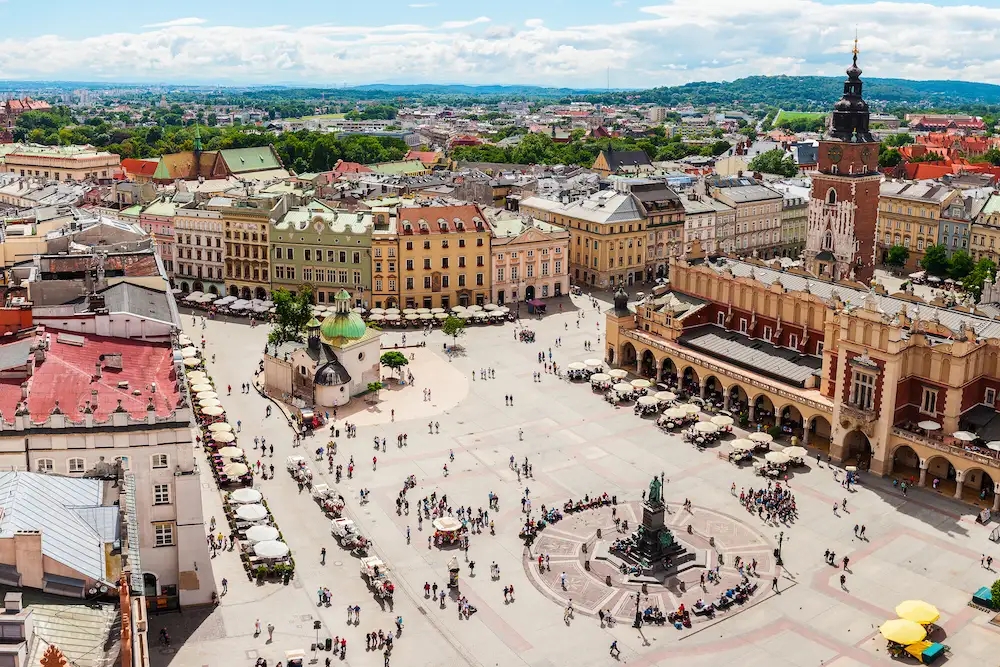
Krakow is Poland's second-largest city and one of its oldest, with a history going
back over a thousand years. It served as the capital of Poland from 1038 to 1569 and
has managed to preserve much of its historic architecture through both World Wars.
The city's crown jewel is Wawel Castle, a magnificent Royal Castle perched on a
limestone hill above the Vistula River. Below the castle lies the Main Market Square
(Rynek Główny), one of the largest medieval squares in Europe, bustling with cafes,
horse-drawn carriages, and the famous Cloth Hall.
Best time to visit: May–September | Known for: Wawel
Castle, Jewish Quarter (Kazimierz), pierogi
Zakopane
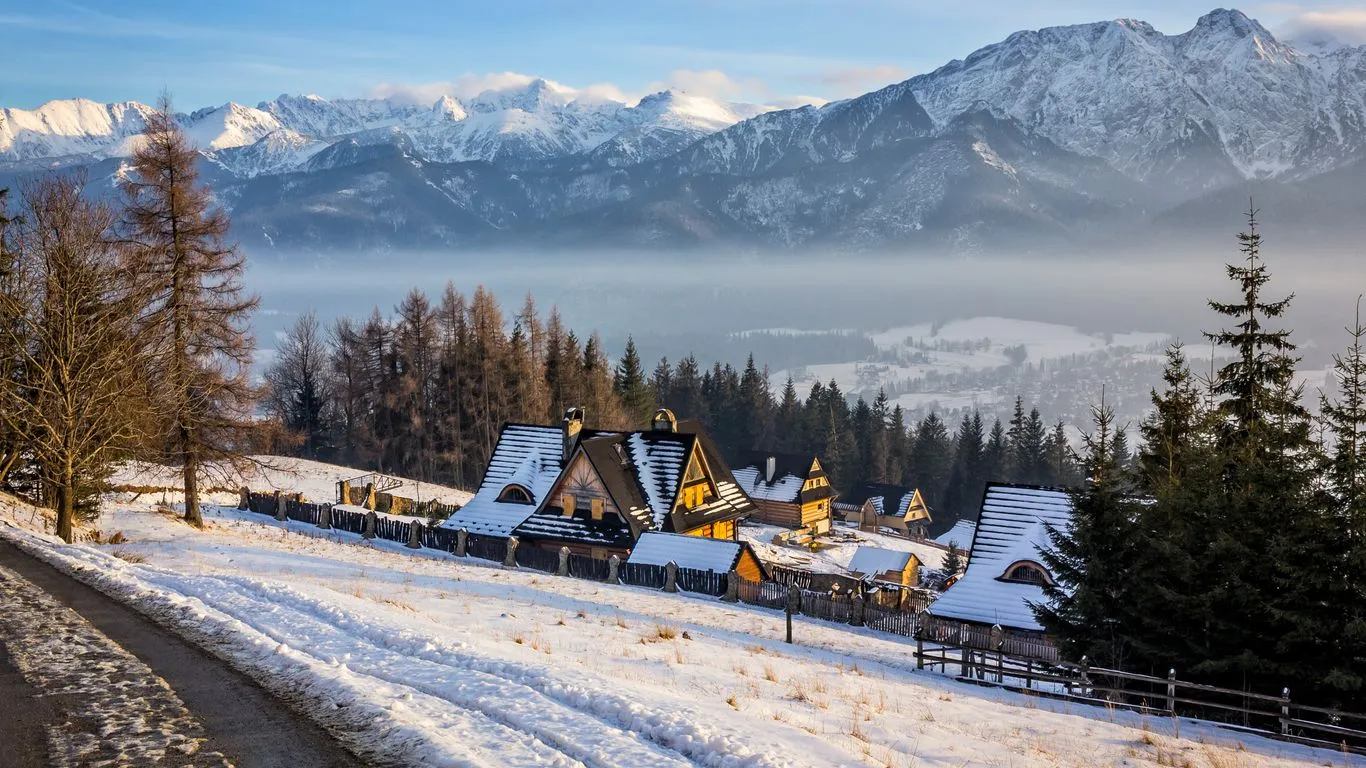
Zakopane is known as the "Winter Capital of Poland" and sits at an altitude of
around 800–1000 metres at the foot of the Tatra Mountains. It is a popular
destination year-round — for skiing in winter and hiking in summer.
The town's main pedestrian street, Krupówki, is lined with wooden highland-style
buildings, shops selling local crafts, and restaurants serving traditional mountain
cuisine such as oscypek (smoked cheese) and grilled meats.
Best time to visit: December–March (skiing), June–September (hiking) |
Known for: Tatra National Park, cable car to Kasprowy Wierch,
highlander culture
Gdynia
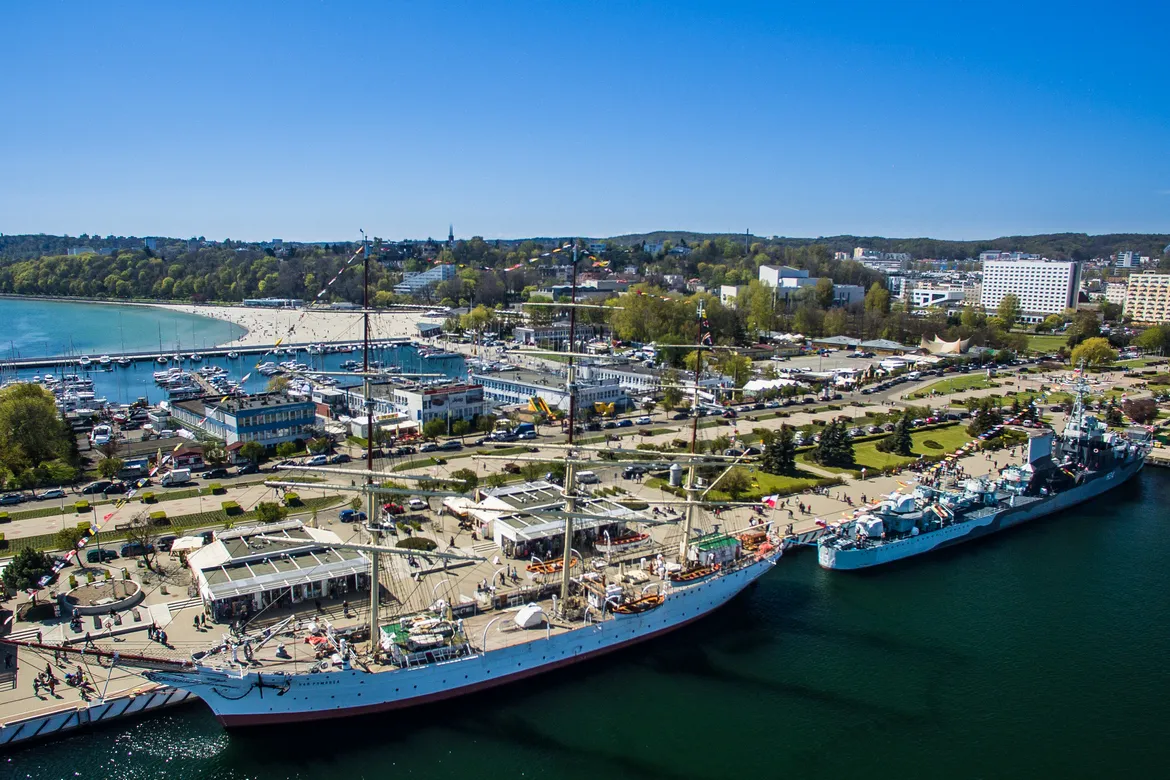
Gdynia is a young, vibrant port city on the Baltic Sea that was built almost
entirely in the 1920s and 1930s. Because of this, it has a distinctive modernist and
Art Deco architectural style that sets it apart from other Polish cities.
The city's seafront promenade stretches for several kilometres and features the
historic ship Dar Pomorza, now a museum vessel. Nearby Orłowo is a charming district
with a wooden pier, cliffs, and a sandy beach perfect for summer swimming.
Best time to visit: June–August | Known for: Baltic
beaches, Dar Pomorza museum ship, Art Deco architecture
Poznan
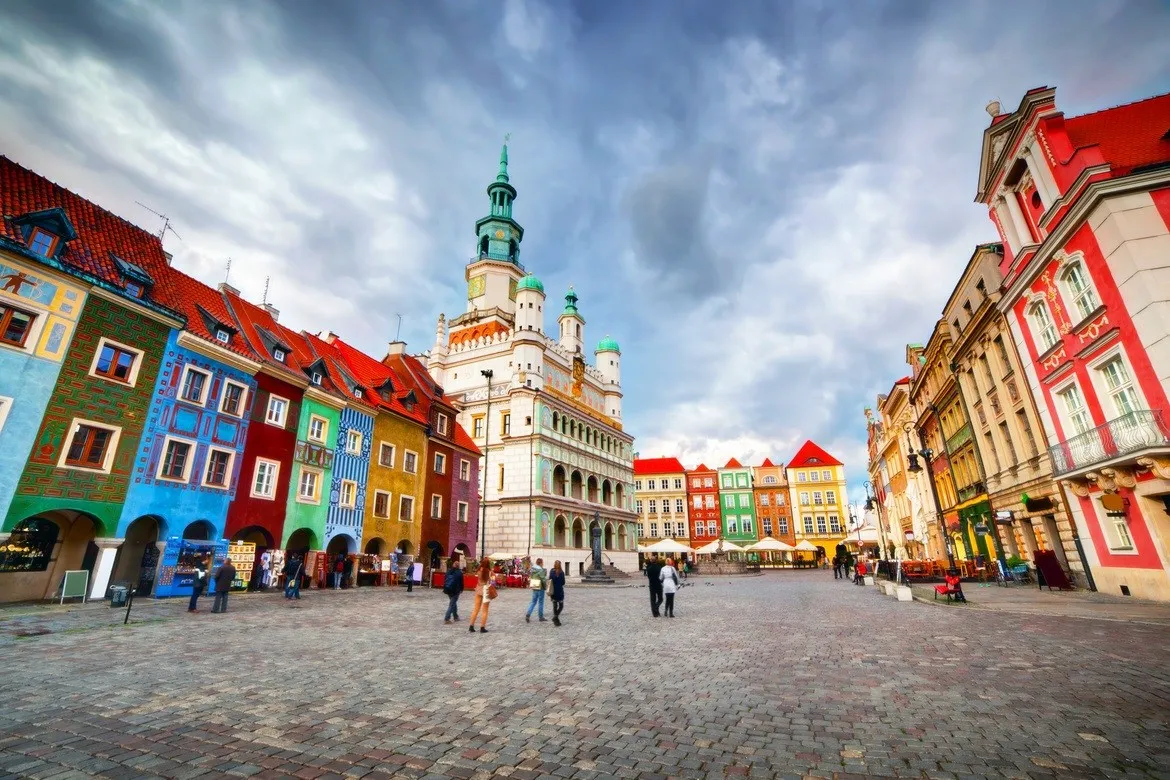
Poznan is one of the oldest cities in Poland and considered the birthplace of the
Polish state. Its Old Market Square (Stary Rynek) is one of the most beautiful in
Central Europe, surrounded by colourful Renaissance tenement houses and dominated by
the 16th-century Town Hall.
Every day at noon, two mechanical goats emerge from a clock above the Town Hall and
butt heads — a tradition that draws crowds of tourists. The city is also home to
several universities, giving it a lively and youthful atmosphere.
Best time to visit: April–October | Known for: Stary
Rynek, St. Peter and Paul Cathedral, Croissant Museum